The Polka Dot Plant has become one of the most popular plants in Puerto Rico due to its vibrant colors and easy care. If you want to keep it colorful, lush, and healthy indoors, here we explain exactly how to take care of it 🌿
Quick Care Guide:
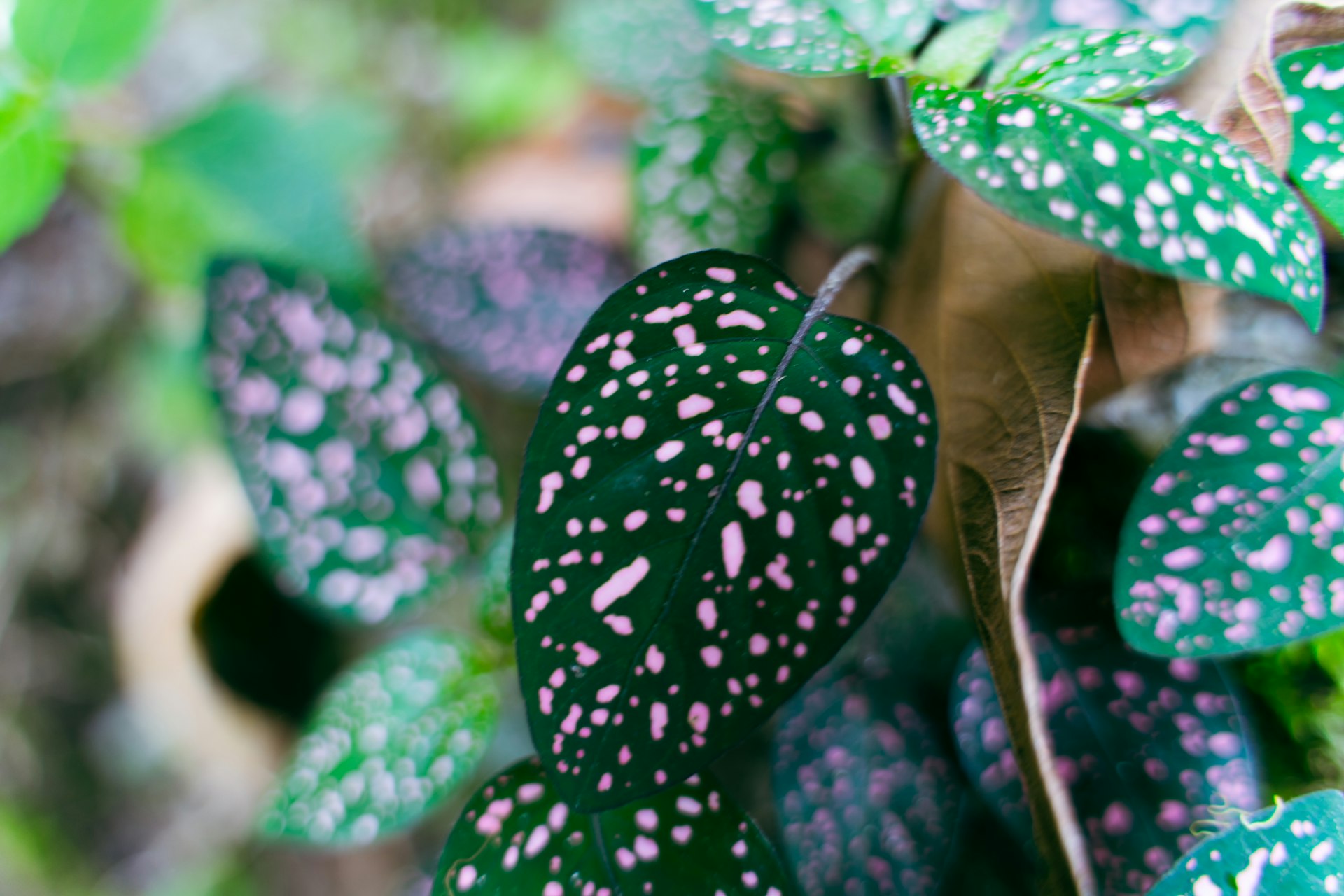
Light
She loves bright indirect light.
Avoid the strong direct sun of Puerto Rico because it can burn its leaves and cause them to lose color or dry out.
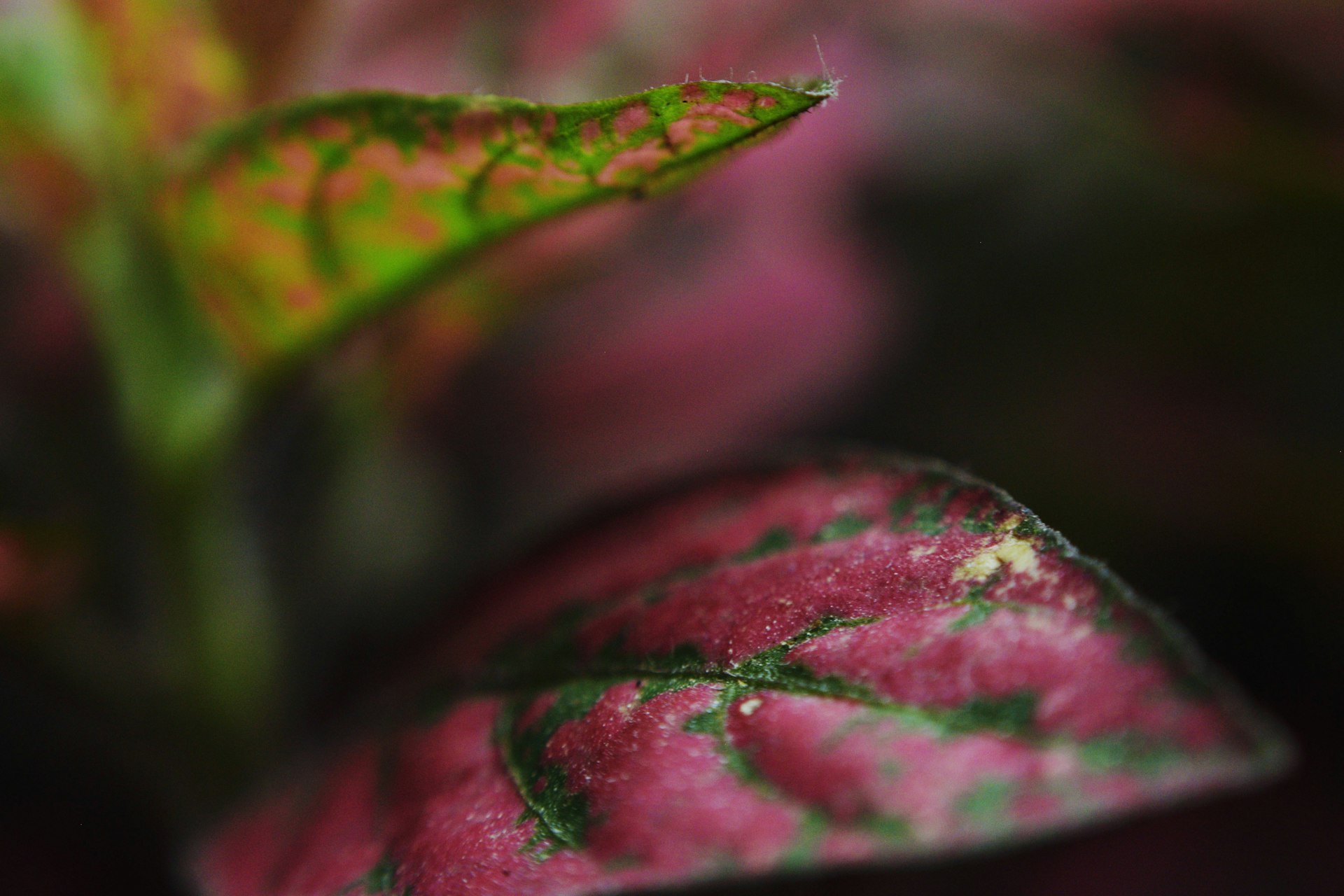
Irrigation
Water it when the soil feels slightly dry. In Puerto Rico, it will typically need water about 2–3 times a week depending on the heat and humidity.
Do not let the soil dry out completely.
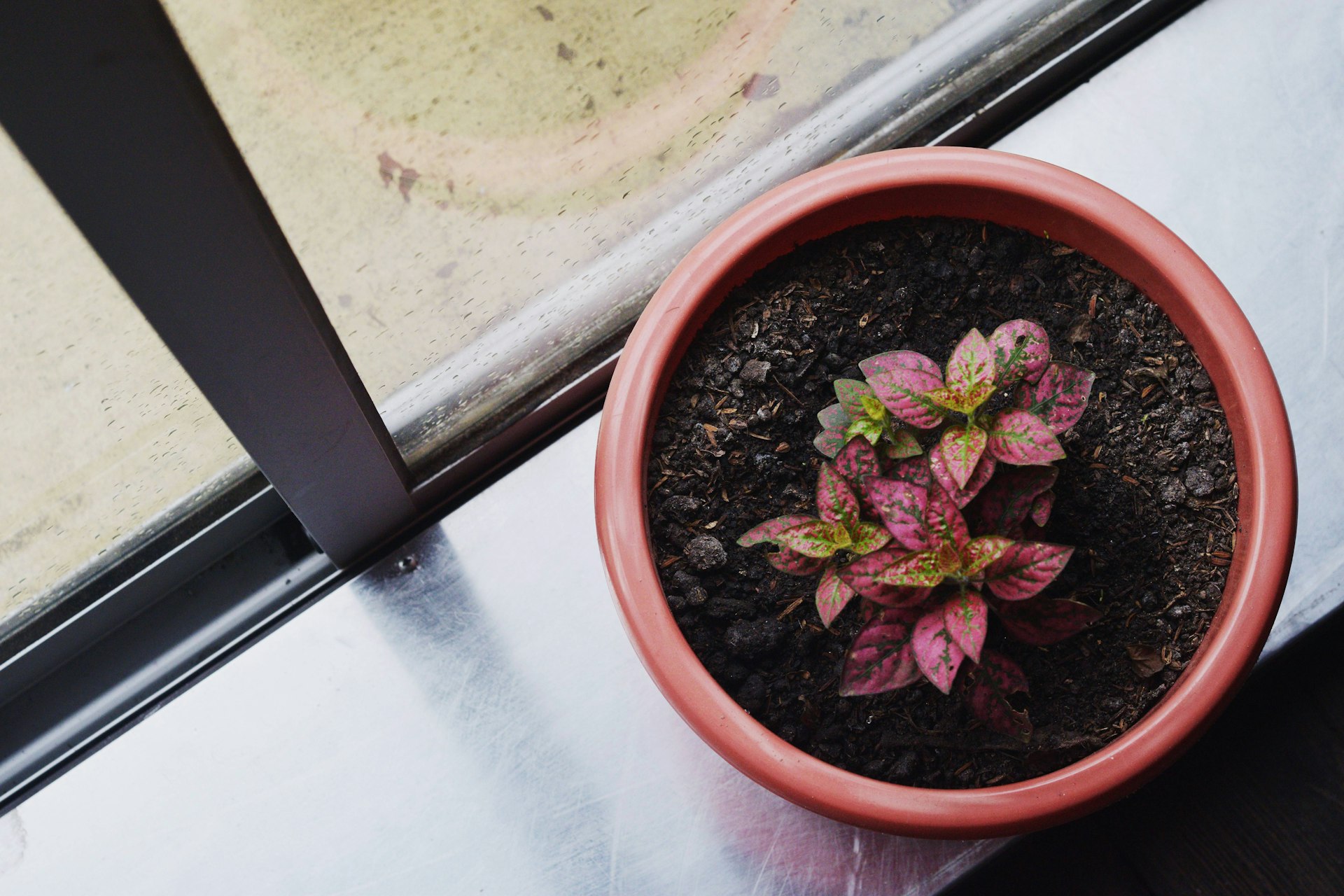
Temperature
Prefers warm environments between 65°F and 85°F. Ideal for indoors, covered balconies, and offices with good ventilation.
Are you looking for easy-to-care-for plants in Puerto Rico?
Explore our collection of easy-to-care-for tropical plants.
Frequently Asked Questions about the Polka Dot Plant (Hypoestes)
Learn how to care for Polka Dot, whether it is pet friendly, and what it needs to maintain its vibrant colors indoors.
Yes, the Polka Dot is an easy-to-care-for plant and perfect for indoors, offices, or balconies with good indirect lighting. It only needs moist soil, to avoid strong direct sunlight, and a warm environment to keep its colors vibrant.
Excellent for people who are starting out in the world of plants.
The Polka Dot (Hypoestes phyllostachya) is considered a non-toxic plant for pets.
Nevertheless, we recommend preventing dogs or cats from biting it excessively to avoid stomach discomfort.
The Polka Dot plant grows best in spaces with bright indirect light. It is ideal for well-lit interiors, desks, living rooms, or near windows where it receives brightness without strong direct sunlight.
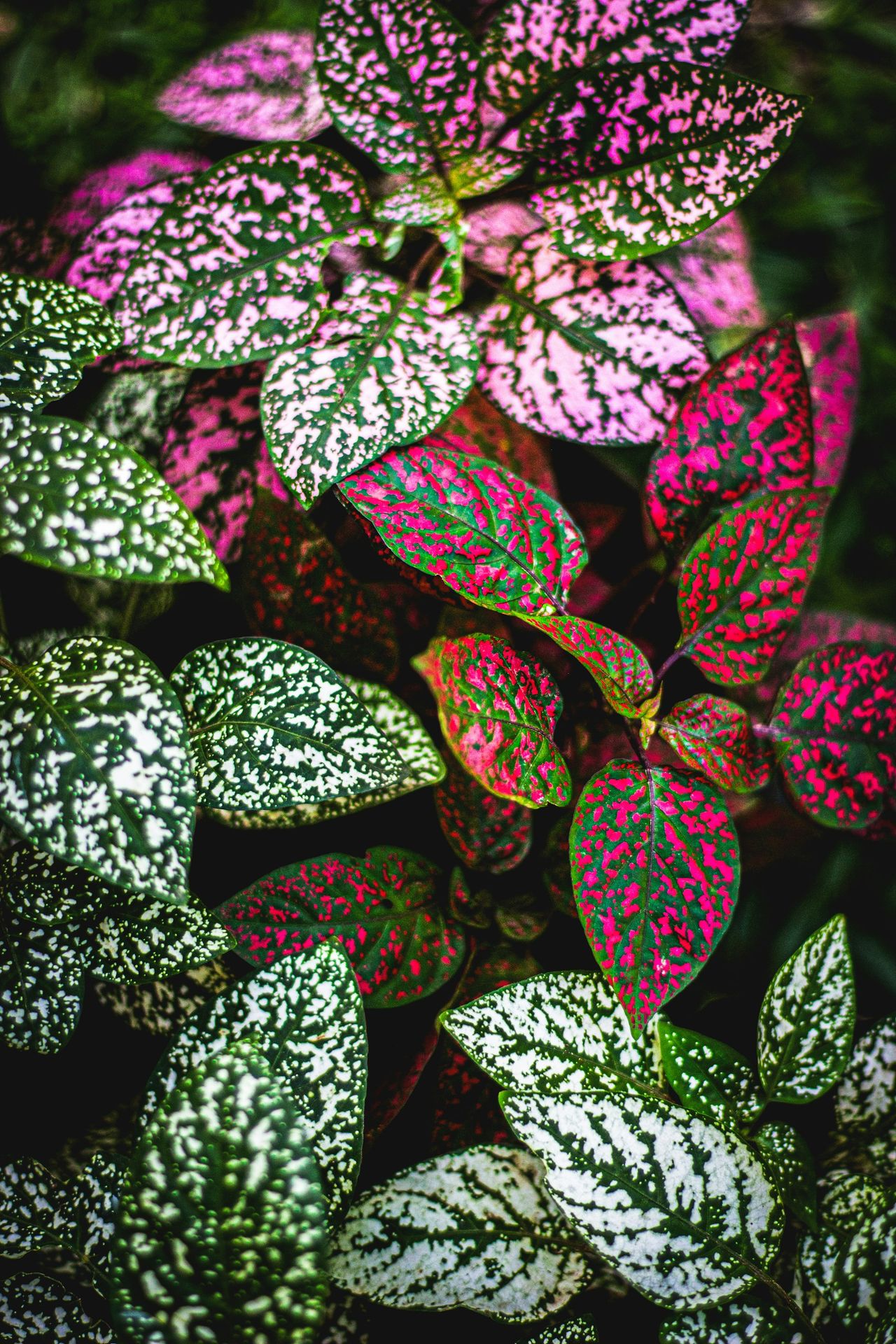
Choose your favorites
You can choose from different colors and sizes.
Do you want a bushier Polka Dot?
Trimming the tips from time to time helps stimulate new growth and keep it compact, full, and colorful.
Boricultura Tip:
Trim the tips regularly
Give bright indirect light
Keep the soil a little moist
View complete guide